

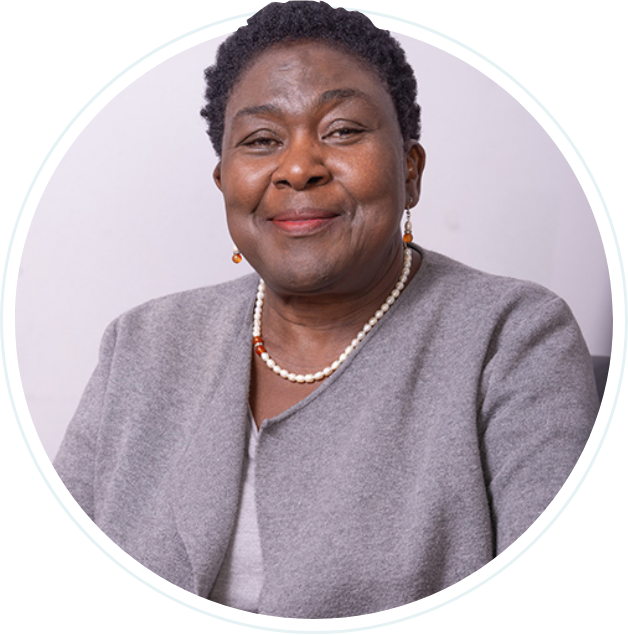
I'm Christine Nabukeera, BSW, MSW, PhD, RSW
Ontario College of Social Workers and Social Service Workers (OCSWSSW). (She, Her)
I have assisted individuals, groups, and communities with various needs throughout my professional career. I provide talk therapy and counselling to adults experiencing anxiety, marginalization in the workplace, family violence, depression, grief and bereavement, low self-esteem, significant life transitions, including the mental health effects of violent displacement caused by wars and conflicts.
I will work with you as you explore new coping strategies to resolve or make those disrupting thoughts less painful. My work involves collaborative engagement with you to create a safe and supportive space, free from judgment, leading to a deep, full of feeling sessions in a warm and confidential setting where you can explore your thoughts and challenges.
My approach to counselling is client-centered, strength-based, trauma informed with sensitivity to diverse human experiences and cultural differences. I draw from various evidenced-based therapeutic approaches, including Cognitive Behavioral Therapy (CBT), Emotion Focused Therapy, and Acceptance Commitment Therapy (ACT), Mindfulness-based Therapy or Person-centered Therapy to create an intervention plan for you to develop a deeper understanding of yourself and the thinking patterns that disrupt your life.
My approach helps you to listen to the various inner voices and explore your mind, feelings, and emotions. You will then share your concerns, find neglected aspects of your life, manage disruptive thought forms, and make decisions for a brighter future.

Call Me
613 899 9222
Schedule Today
• Culturally Competent Approach:
It has been important for me to educate myself about cultural nuances, historical context, and some of the experiences of individuals from any of these communities. This knowledge helps me to create a safe and inclusive space for the client, and it allows both of us to approach therapy with cultural sensitivity.
• Intersectionality:
I recognize that individuals from various communities have diverse identities and may experience multiple forms of marginalization or privilege based on factors such as age, gender, sexuality, or socioeconomic status. I regularly consider how these intersecting identities influence our experiences, and how we adapt or reconstruct identities to survive in the workplace or in new environments.
• Addressing Racial Trauma:
Many individuals from the various communities may have experienced racial trauma from discrimination. I have the skills necessary to address these issues, validate the experiences of my clients, and provide support for healing and resilience.
• Representation:
Individuals may benefit from working with those who are from similar cultural backgrounds. Representation matters in therapy, as it can enhance trust, understanding of our collective trauma, and a shared sense of identity.
• Anti-Bias and Anti-Racism Work:
I have actively engaged in my own anti-bias and anti-racism training. This has involved examining my own biases, challenging stereotypes, and gaining a deeper understanding of how systemic racism can impact mental health. By doing so, I am well prepared to offer a more empathetic and supportive therapeutic environment.
• Community Collaboration:
My work involves building partnerships with local organizations and community leaders to help us better understand the specific needs and resources available in the community. Collaboration with stakeholders can improve the overall effectiveness of the services I provide.
It is important to treat and assess everyone’s needs on a case-by-case basis. Ongoing professional development, cultural humility, and a commitment to self-reflection are vital for providing counselling services to all clients.